
Building a Strategic Online Presence for Interior Designers
In today’s competitive interior design landscape, visibility is more than a goal-it’s essential. Large design-forward brands like TileBar and Hunter Douglas demonstrate that success isn’t driven by aesthetics alone, but by how imagery is strategically deployed across digital platforms. When projects such as Kips Bay features are photographed with intention, those images often live far beyond a single publication-appearing in campaigns, editorial placements, email marketing, and long-term brand storytelling. This is how established companies handle photography as part of a broader digital marketing ecosystem.
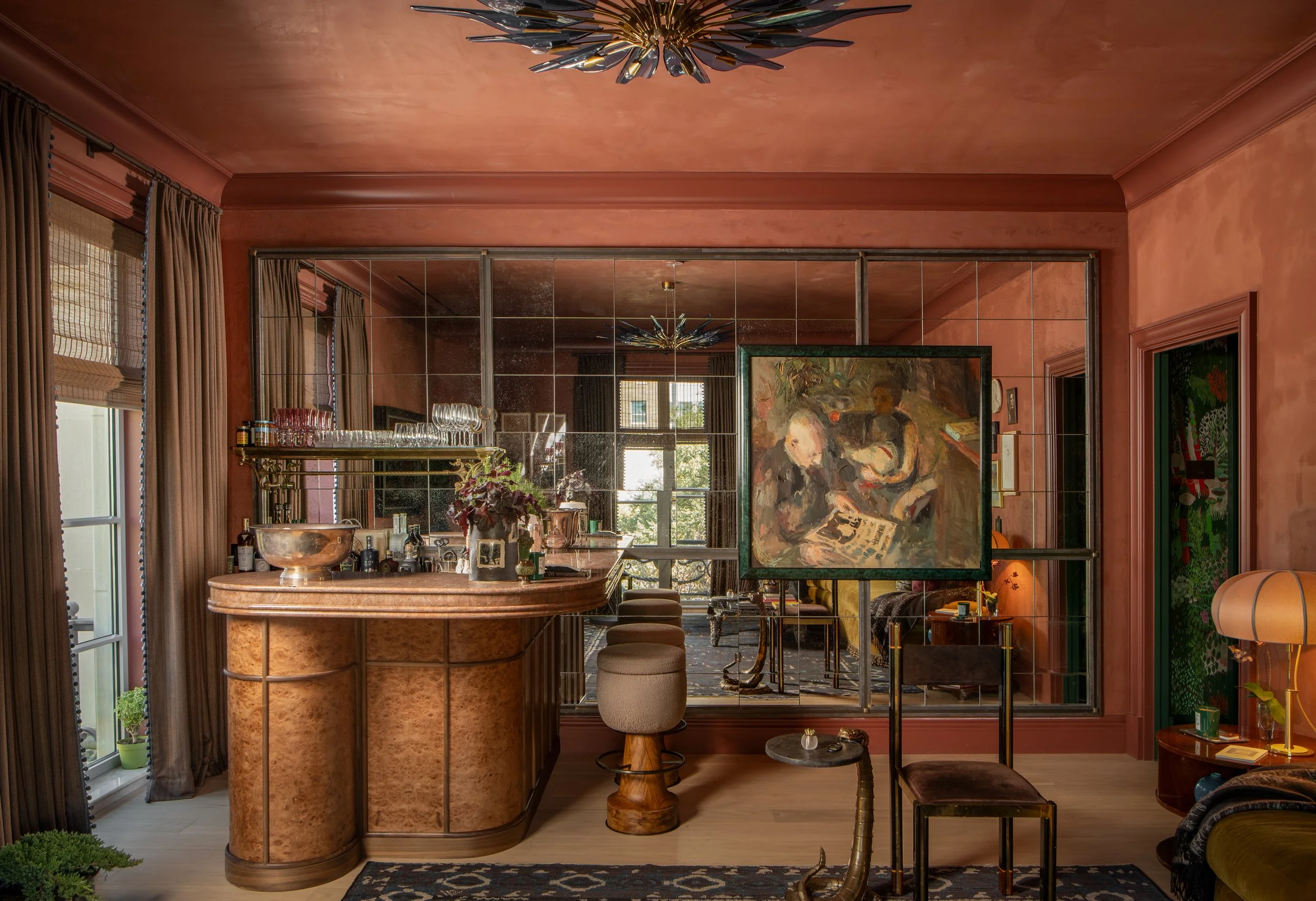
What separates this approach from more fragmented marketing efforts is clarity of vision and consistency in execution. Strong imagery becomes a versatile asset when it’s created and used with strategy in mind. Four key areas help explain how brands like TileBar and Hunter Douglas approach this process:
Case Study–Driven Research
Large companies invest heavily in understanding how imagery performs. By studying how brands like TileBar and Hunter Douglas structure campaigns around interior photography, designers can see how consistent visual language builds recognition and trust over time. These case studies reveal how images are selected, reused, and adapted for different platforms without losing clarity or impact.
Strategic Image Usage Across Platforms
Rather than treating photography as single-use content, established brands integrate images across multiple touchpoints. Photography created for TileBar and Hunter Douglas has been used in editorial features, brand partnerships, digital campaigns, and educational content. This approach maximizes the value of each shoot and ensures visual consistency wherever the brand appears.
Editorial and Brand Alignment
High-level brands blur the line between editorial and marketing. Images are produced with publication standards in mind, making them equally effective for press features and owned platforms. Studying how TileBar and Hunter Douglas align photography with both editorial expectations and brand messaging highlights the importance of planning imagery that serves multiple purposes.
Repeatable Frameworks, Not One-Off Efforts
What looks effortless from the outside is often the result of repeatable systems. Large companies rely on established workflows for selecting, organizing, and deploying images. This consistency ensures that every campaign reinforces the same narrative, rather than starting from scratch each time.
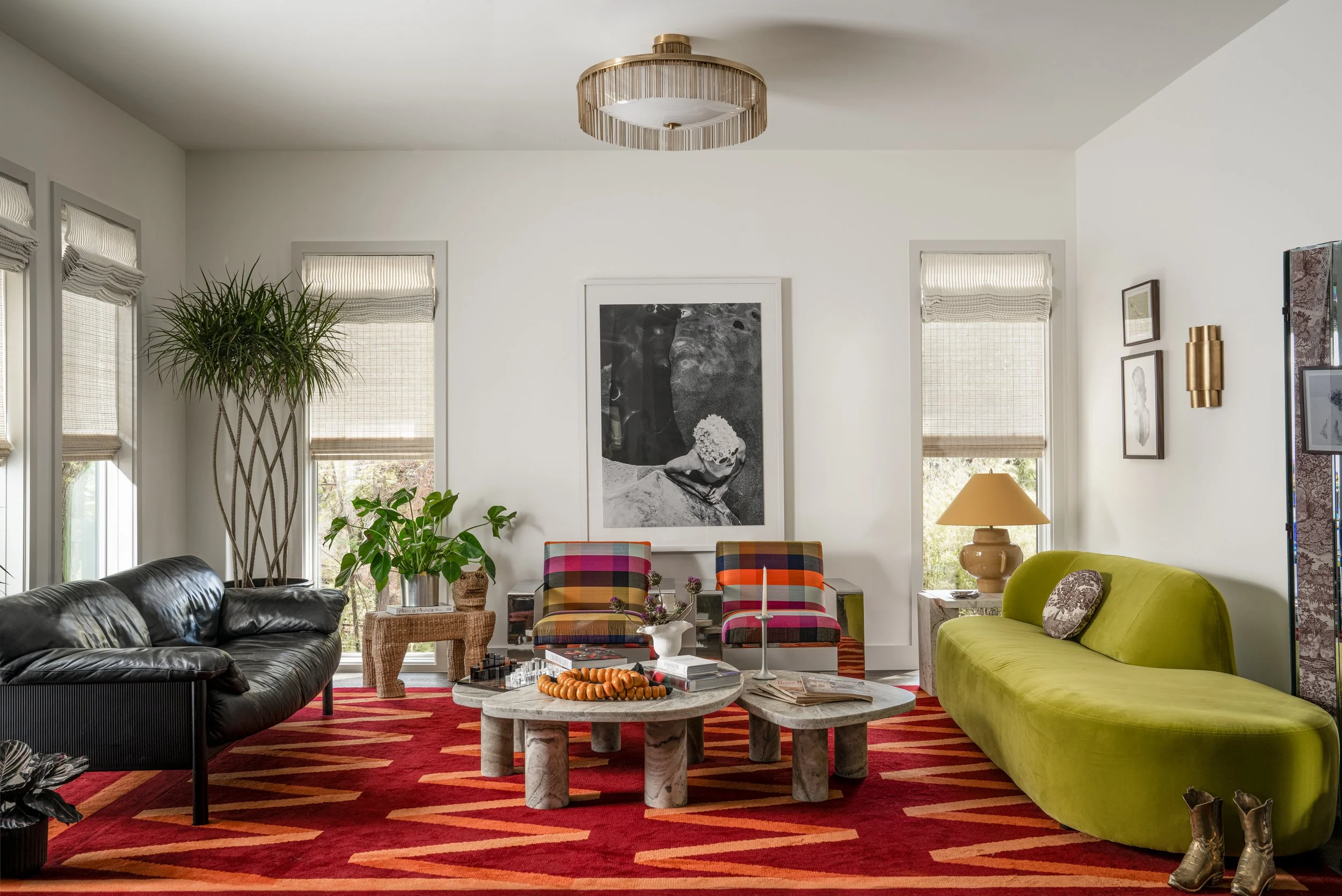
Captured for Hunter Douglas
By adopting these principles, designers can shift from posting projects sporadically to building a cohesive, strategic digital presence. When imagery is created and used with intention, marketing becomes more efficient, more aligned, and more supportive of long-term growth.
For designers looking for a structured, actionable framework—modeled after how established brands approach digital marketing and photography—the Interior Exposure Hub provides the tools to turn these strategies into everyday practice.
Explore the Interior Exposure Hub: https://www.jeffjonesphoto.com/jeff-jones-interior-exposure-hub