
4 Ways to Maximize lead generation for Interior Photographers
Photography is about more than capturing a space—it’s about interpreting it, telling its story, and conveying a sense of place. Every room, every material, every beam of light contributes to a narrative that should feel intentional, inviting, and true to the designer’s vision. In projects like the Brutalist home in San Antonio featured in Vogue and San Antonio Express News, or the Brookhaven: A Colorful Transformation by Farrington Lane, careful attention to light, perspective, and composition was essential in creating images that feel alive and editorial.
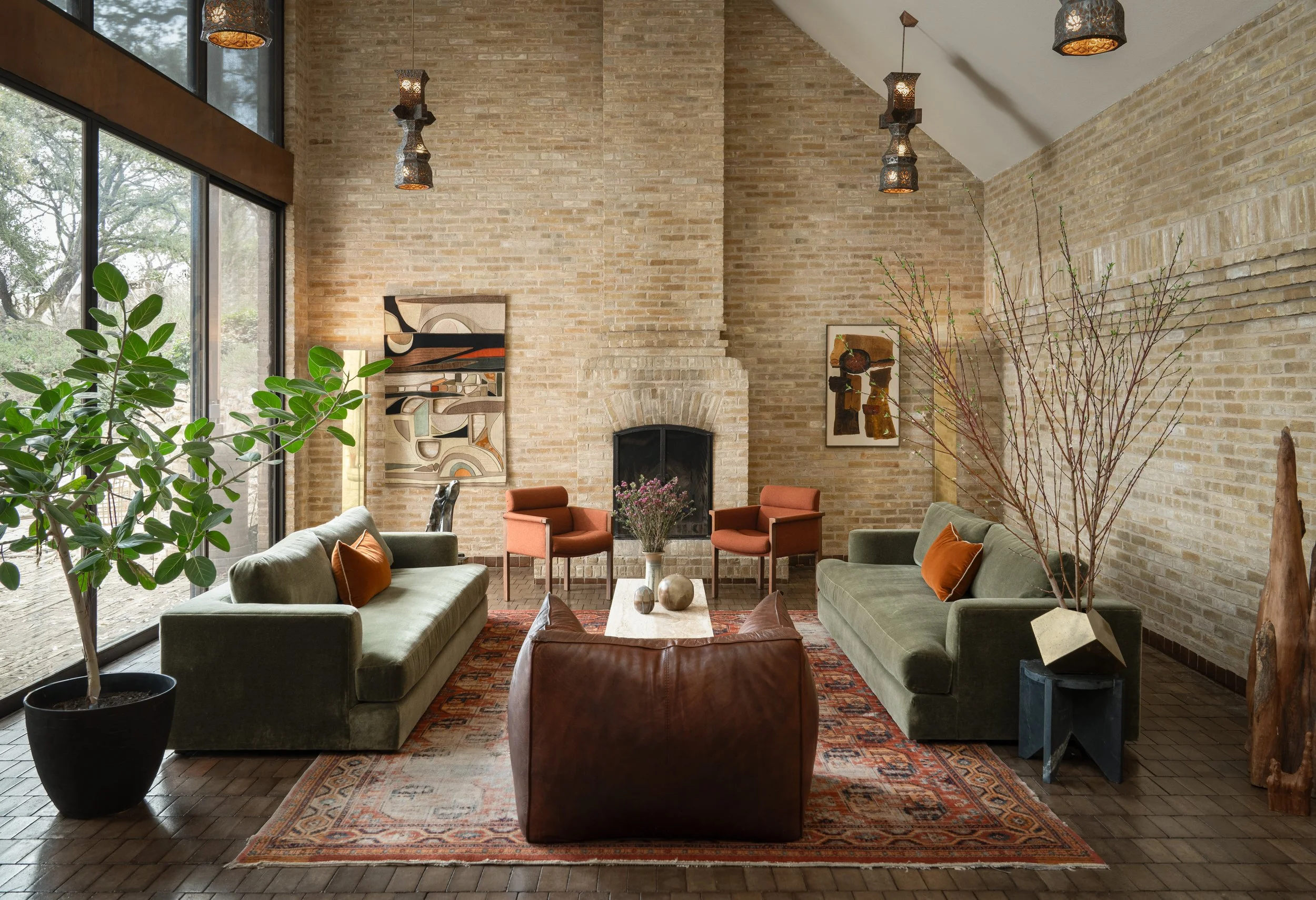
Brutalist home in San Antonio designed by Joel Mozersky, featured in Vogue and San Antonio Express News
There are four key areas that photographers can focus on to elevate their work:
Technical Mastery: Understanding light, shadow, depth, and texture is foundational. The way natural and artificial light interacts with surfaces can completely transform a space. Observing how shadows fall, how textures respond, and how depth is conveyed allows you to capture not just a room, but the feeling and intent behind it.
Portfolio Development: A portfolio is more than a collection of images—it is a story. Curating work so that each project relates to the next, highlighting your approach and style, creates a coherent narrative that editors, clients, and collaborators can easily grasp. Thoughtful curation ensures your strongest work communicates expertise and vision without needing explanation.
Editorial Preparation: When preparing images for publication, consider sequencing, pacing, and storytelling. Each image should build on the next, guiding the viewer through the space as if they are walking through it themselves. Recognizing which details will resonate most with an audience or editor is critical to achieving an editorial quality in photography.
Workflow Optimization: From pre-shoot planning to post-production, efficiency and organization are key. Having structured workflows allows photographers to focus on creative decisions rather than logistical concerns. Planning shots, creating shot lists, and establishing post-processing routines ensure that time is spent enhancing the story rather than scrambling to capture it.
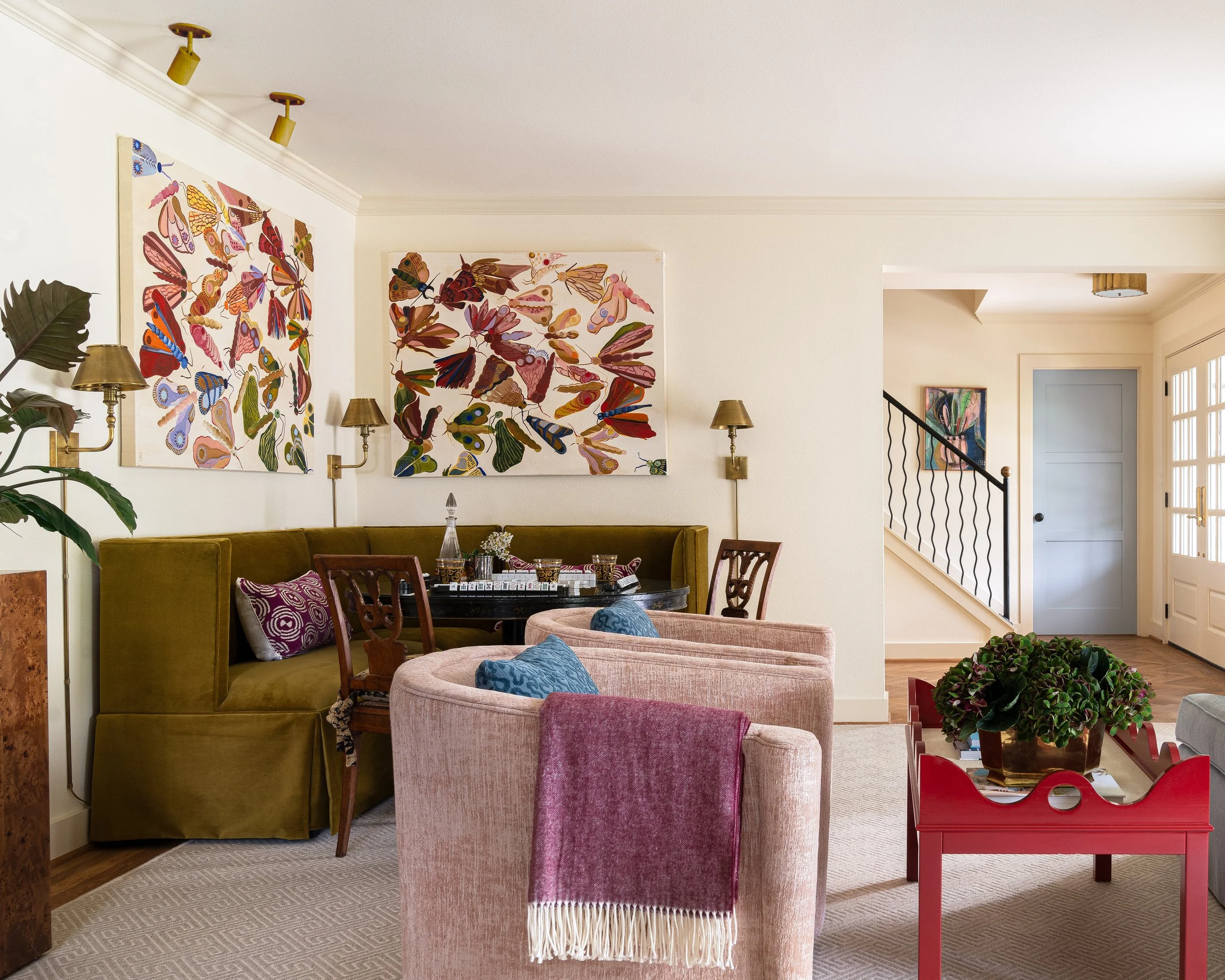
Designed by Farrington Lane, featured at Tribeza
Mastering these principles helps photographers approach each project with intention. It’s not just about taking beautiful pictures—it’s about understanding the space, anticipating its narrative, and translating that into imagery that communicates both design and experience. Even small adjustments in approach, framing, or sequencing can dramatically elevate the impact of a portfolio.
For photographers looking to apply these strategies to their own work, the Digital Marketing Bundle offers a more comprehensive approach. It’s designed to help you evaluate your portfolio, refine how you present and position your work, and approach shoots with a clearer editorial and marketing perspective.
Instead of one-off adjustments, the bundle supports long-term growth - giving you tools and guidance you can revisit as your body of work evolves and your goals become more defined.
Ready to Turn Your Photos Into Press Features?
If you want to stop guessing what editors are looking for—and start capturing images that actually get published—
Explore Shoot to Pitch: A Guide for Interior Designers here: https://www.jeffjonesphoto.com/shoot-to-pitch-a-guide-for-interior-designers